
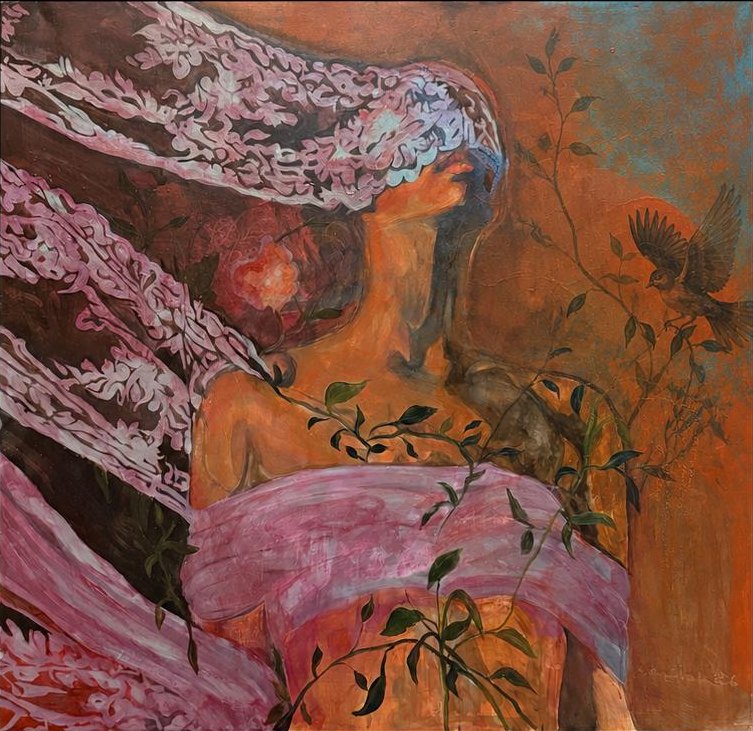
Veil — پردہ
بازیچۂ اطفال ہے دنیا مرے آگے
ہوتا ہے شب و روز تماشا مرے آگےBaazeecha-e-atfaal hai duniya mere aage,
Hota hai shab-o-roz tamasha mere aage.
Veil begins with Parda — پردہ. Not simply as something that covers the body, but as something we carry through almost every part of being human.
There is nazar ka parda, zabaan ka parda, niyyat ka parda — the quiet language of haya, lihaaz, adab and ehsaas. Knowing when to look away, when not to speak, when not to show abundance before someone who has little, or happiness before someone who is grieving. Sometimes, parda is simply kindness.
Read moreRead less
And then there are the veils within us — intrusive thoughts, fears, desires, memories and feelings we keep hidden. Some protect us. Some are inherited. Some are imposed upon us. And some slowly become a cage.
The series travels through six states: Baseerat — بصیرت, the seeing within; Marafat — معرفت, a deeper knowing; Qafas — قفس, confinement; Qaraar — قرار, stillness; Pannah — پناہ, refuge; and finally Fana — فنا, the dissolving and surrender of the self.
Together they ask what parda really means. Is it something that hides us, or something that protects what is most private and sacred within us?
Perhaps freedom is not about removing every veil.
Perhaps it is having the baseerat to recognise which veil has become your qafas, which remains your pannah, and which you are finally ready to let dissolve into fana.
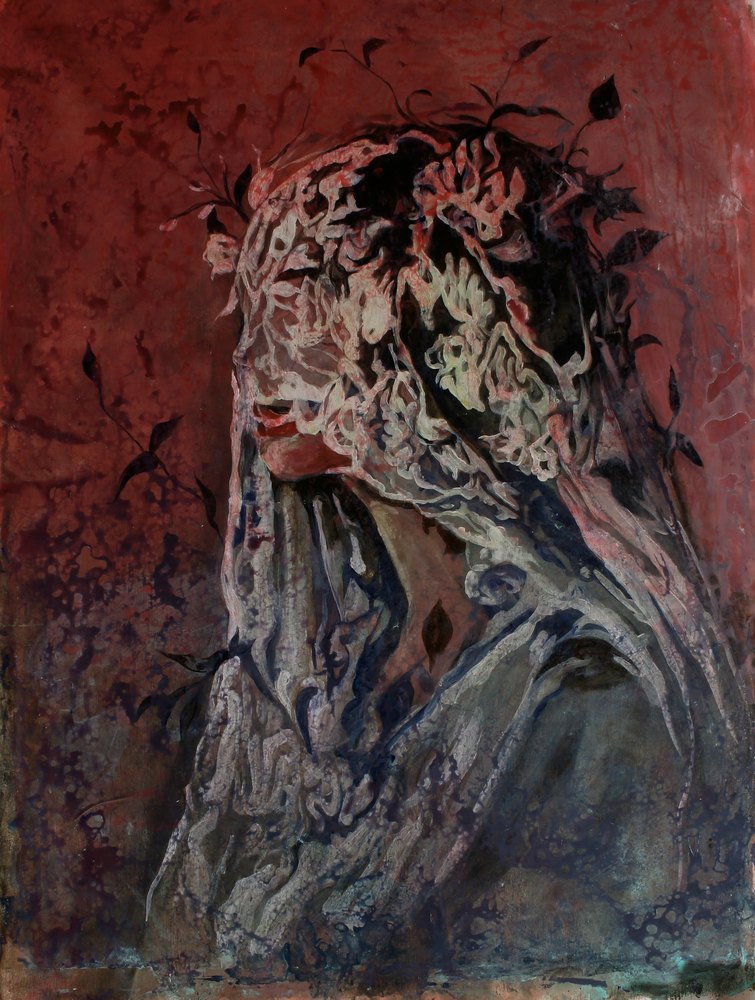
Study in memory and becoming
Marfat
Marfat (معرفت) means deep knowing — an inner understanding of truth, beyond the surface.
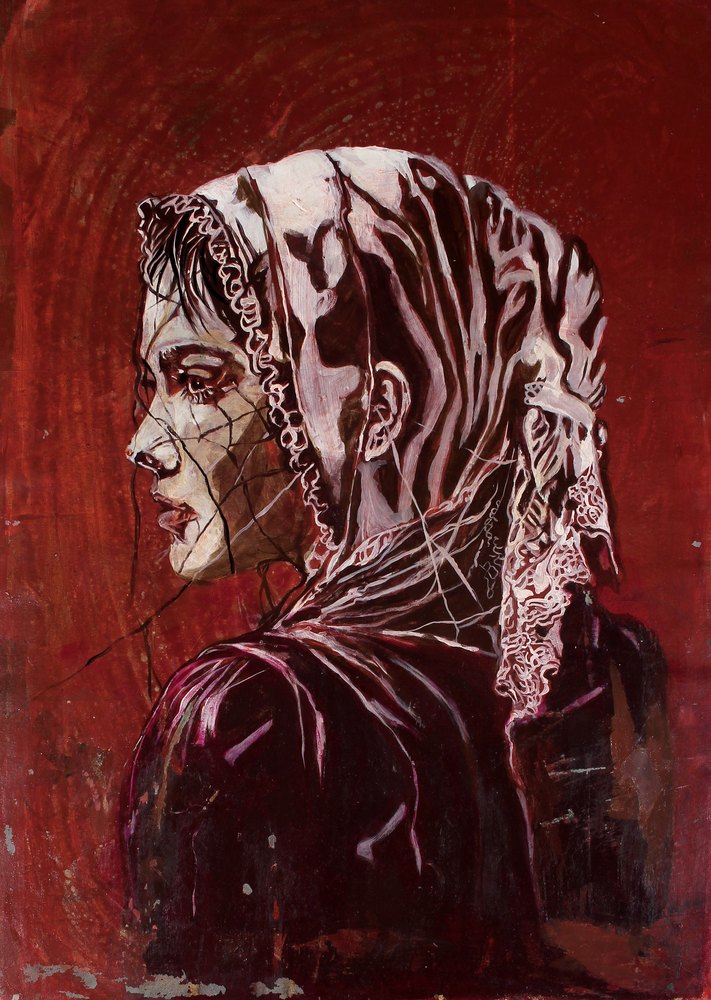
Study in memory and becoming
Baseerat
Baseerat (بصيرت) means deep insight — seeing beyond the visible.
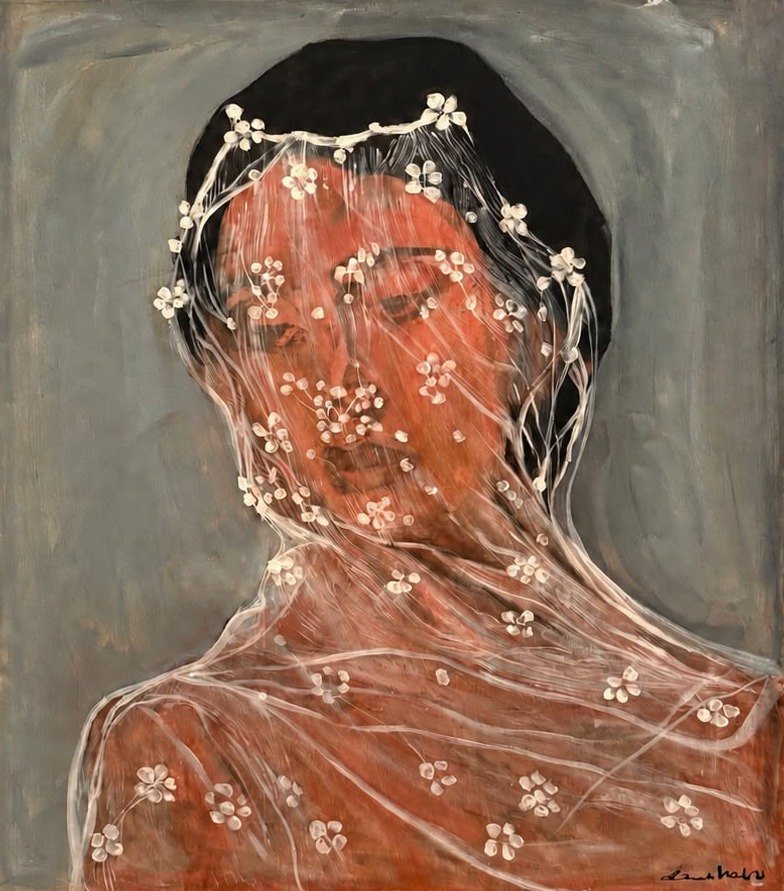
Veil Series
Muztarib
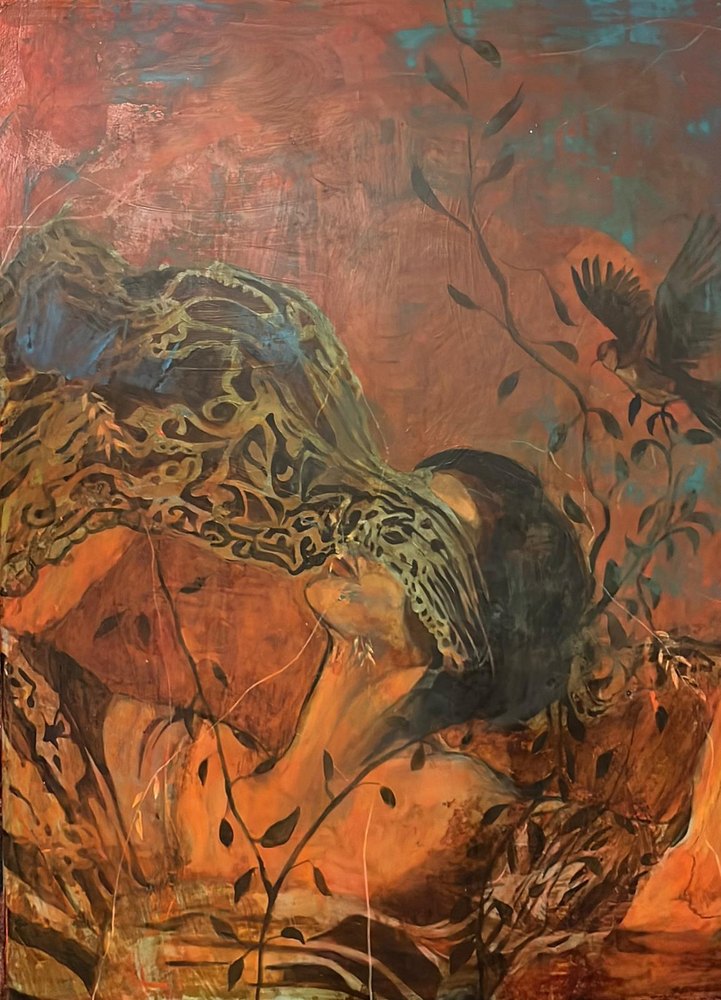
Veil Series
Qaraar
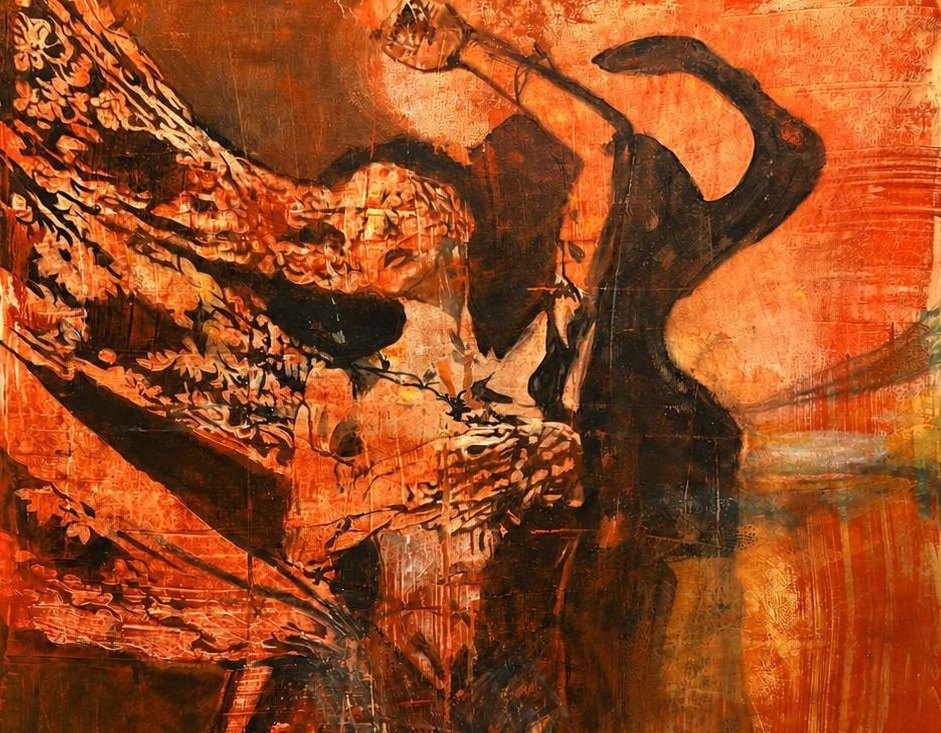
Veil Series
Qafas
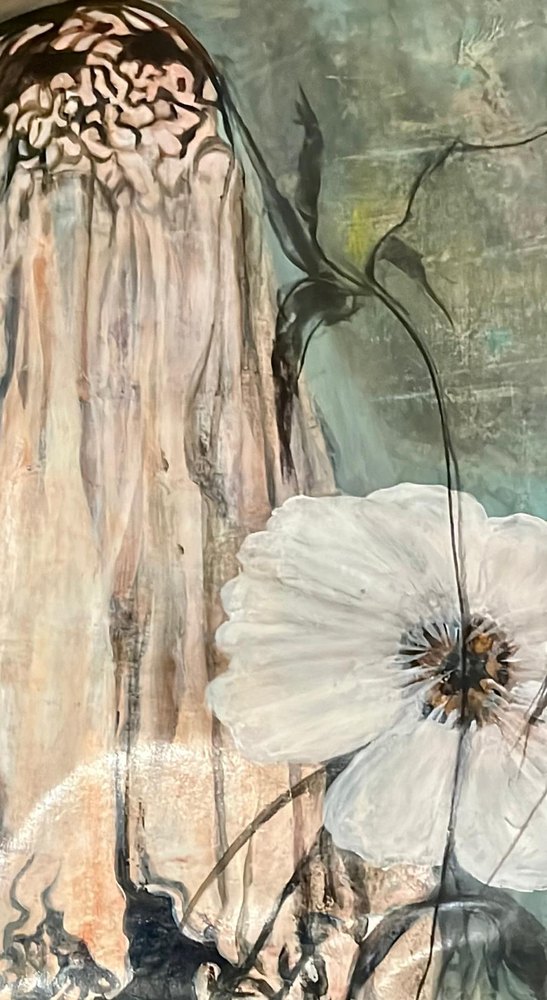
Veil Series